
Guest Details
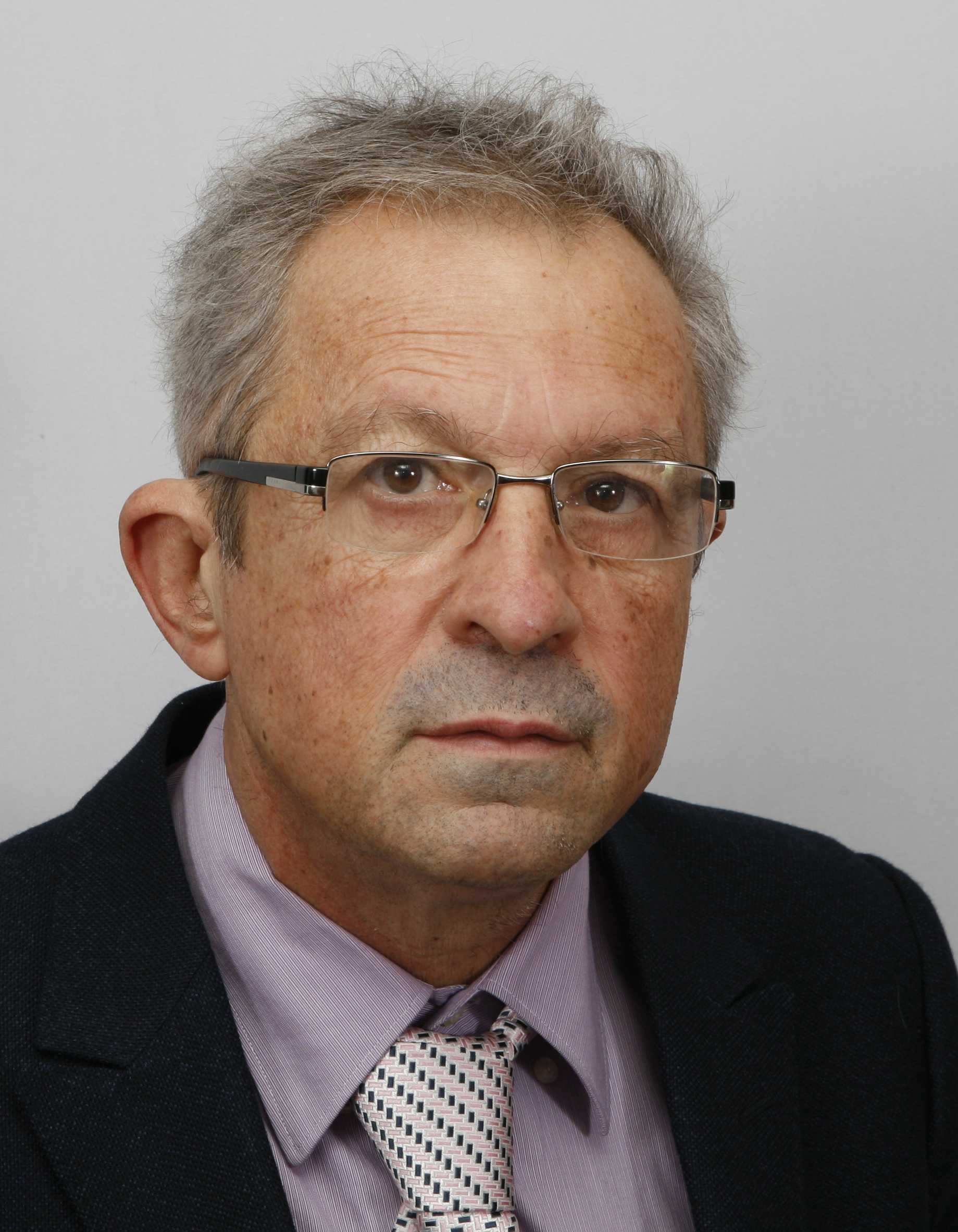
Joseph Sifakis
Verimag Laboratory and RITAS/SUSTECH
Professor Joseph Sifakis is Emeritus Research Director at Verimag. He has been a full professor at Ecole Polytechnique Fédérale de Lausanne (EPFL) for the period 2011-2016. He is the founder of the Verimag laboratory in Grenoble, a leading laboratory in the area of safety critical systems that he directed for 13 years.
Joseph Sifakis has made significant and internationally recognized contributions to the design of trustworthy systems in many application areas, including avionics and space systems, telecommunications, and production systems. His current research focuses on autonomous systems, in particular self-driving cars and autonomous telecommunication systems
In 2007, he received the Turing Award, recognized as the "highest distinction in computer science", for his contribution to the theory and application of model checking, the most widely used system verification technique.
Joseph Sifakis is a member of the French Academy of Sciences, the French National Academy of Engineering, Academia Europea, the American Academy of Arts and Sciences, the National Academy of Engineering, the National Academy of Sciences, and the Chinese Academy of Sciences.
Joseph Sifakis is a frequent speaker at international scientific, technical and public forums. He is the author of the book “Understanding and Changing the World” published in English and Chinese.
Talk
Title: Bringing AI to Autonomous Systems
Abstract: Autonomous systems are distributed systems composed of agents, each pursuing its own goals, but which must coordinate to satisfy the overall goals of the system.
Main points covered:
1. We analyze the characteristics of autonomous systems, explaining that they underlie a multifaceted concept of intelligence that cannot be characterized by conversational behavioral tests such as the Turing test.
2. We propose a development method based on an agent reference architecture that characterizes autonomous behavior as the result of the composition of a set of independent functions. The behavior results from the orchestration of reactive behavior producing actions in response to external stimuli, and proactive behavior aimed at satisfying the agent's needs relating to the success of its mission. The two behaviors coordinate by sharing knowledge contained in a long-term memory.
3. We analyze how AI can contribute to the creation of AI agents and multi-agent systems, highlighting the need for its seamless integration with traditional software and discussing the current limitations of the state of the art. These limitations particularly concern the use of knowledge stored in long-term memory to semantically control and further improve the accuracy of AI components and adaptation to a constantly changing environment through goal management and planning.
We conclude by emphasizing that AI is still in its infancy, and that there is a long way to go to realize the vision of autonomous systems and get as close as possible to human intelligence.